Amazon Drops Four Data Centers in Virginia for Housing and Arts
The retail giant is swapping a major AI infrastructure project in Loudoun County for residential development and public amenities after local residents challenged the energy demands of the planned facilities.
By Luis Fernandez ·
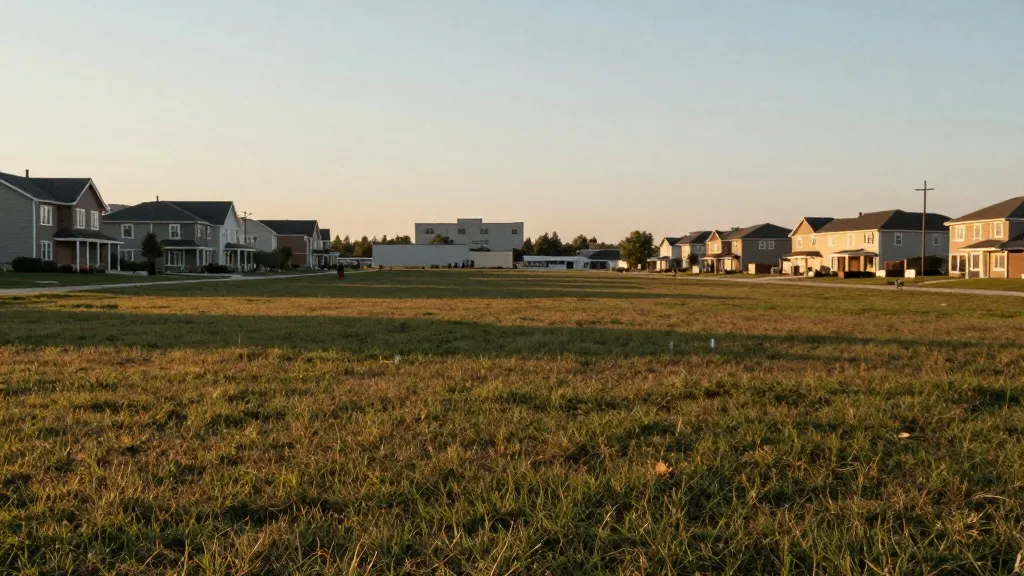
Amazon has officially withdrawn its proposal to construct four new data centers on a 122-acre site in Loudoun County, Virginia. The company will instead convert the majority of the former George Washington University campus into mixed-use and residential developments. This strategic pivot marks a significant change in the company's approach to land use in the region, which is already known for having the densest concentration of data centers in the world. The decision follows months of intense scrutiny and community pushback regarding the environmental and logistical impacts of large-scale computing facilities.
As part of the new agreement, Amazon will donate 25 acres of the property to Loudoun County. The land is designated for the construction of a community arts center and a new recreational facility. Additionally, the company has committed a five million dollar contribution to the county's housing fund. These concessions are designed to address specific concerns raised by local stakeholders who opposed the original buildout. The financial and physical contributions aim to offset the perceived burdens of tech infrastructure on local resources.
The company first submitted its initial proposal in July of this year. Tensions rose as residents voiced concerns about the noise generated by the cooling systems and the substantial power requirements of the facilities. In September, Amazon held meetings with local leadership. During these discussions, county officials suggested that an alternative use for the land might be more beneficial for the community. This dialogue led to the current compromise, which avoids a potential legal battle over zoning and development rights.
Josh Weissman, Amazon's vice president for data center development, explained the rationale behind the retreat. He stated that the company was eager to secure the former university campus when the opportunity presented itself. However, the firm weighed the county's specific objections against its own long-term plans. Weissman noted that while Amazon viewed the legal development potential of the site differently than the local government, they concluded that a shared vision was preferable to expensive litigation. The company prioritized a collaborative outcome over a strict interpretation of its rights.
The shift occurs against a backdrop of surging demand for cloud services and artificial intelligence capabilities. This growing need has driven up the requirement for larger and more powerful facilities. Yet, local opposition has intensified as communities worry about rising electricity prices and strain on local utilities. Officials across the region are beginning to adjust their strategies to manage this tension. The recent move by Amazon represents a notable instance of a major player yielding to local preferences over pure expansion goals.
President Donald Trump recently addressed the energy costs associated with data centers. He called for builders and large AI companies to provide a financial dividend to local communities when energy prices rise. In a social media post, he proposed that data centers should generate their own power and sell any excess energy back to the local grid. This federal perspective adds another layer of complexity to the negotiations between tech firms and local governments. It highlights the growing political attention on the resource intensity of the digital economy.
Phyllis J. Randall, the chair of the Loudoun County Board of Supervisors, welcomed the agreement. She emphasized that choosing dialogue over conflict created a valuable opportunity for the county. Randall stated that the new plan will provide residents with spaces to gather and create. Most importantly, she highlighted the addition of more attainable homes for working families. Her comments frame the retreat as a success for local governance and community planning.
While the deal satisfies many local concerns, questions remain about the broader implications for the region's energy grid. The power infrastructure in Northern Virginia is under significant strain. Critics argue that the physical capacity to support more data centers is limited. The swap of a high-energy project for housing and arts facilities may alleviate some pressure, but it also reduces the area's capacity for future tech expansion. The long-term balance between residential growth and digital infrastructure remains an open question for the county.
The outcome of this negotiation serves as a test case for other regions considering similar projects. It demonstrates that local pushback can influence even major corporate plans. The combination of housing, recreational space, and financial contributions offers a template for future deals. As the demand for AI processing continues to grow, the ability of companies to secure suitable land without community resistance will be a critical factor in their expansion strategies. The Loudoun County example suggests that cooperation may be the most viable path forward.
Source: Tom's Hardware