Tesla Q3 Report: Revenue Stalls as AI Spending Drives Operating Losses
The electric vehicle maker posted flat revenue and lower profits, attributing the decline to heavy investment in autonomy and humanoid robotics rather than weak consumer demand.
By Ishani Kapalli ·
Tesla reported third-quarter 2026 financial results on Tuesday, revealing a company in a transitional phase where stable sales are being offset by aggressive spending on future technologies. The Austin-based automaker generated $28.05 billion in revenue, essentially matching the year-ago figure and aligning with Wall Street expectations. While non-GAAP earnings per share came in at $0.48, slightly beating the consensus of $0.45, the metric represented a four percent decline from the previous year. This performance marks a marginal improvement over the second quarter, when operating margins had compressed significantly, yet the fundamental trend of shrinking profitability persists as the company pivots its financial resources toward artificial intelligence and the Optimus robot.
The path to this current financial state has been marked by fluctuating margins and shifting strategic priorities. In the second quarter, Tesla’s operating margin dipped to 1.4%, prompting a broader review of costs. Over the last twelve months, the company has shifted focus from pure vehicle volume to technological expansion, resulting in a significant increase in research and development. This shift was already visible in the lead-up to the earnings release, where analysts anticipated flat revenue but lower profits, reflecting the market’s understanding that Tesla is currently trading short-term efficiency for long-term technological positioning.
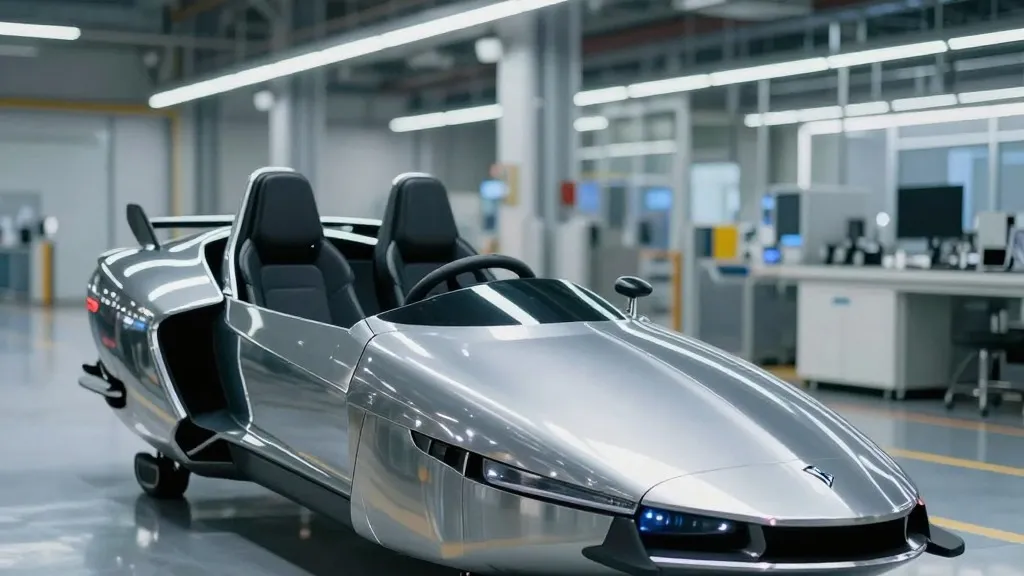
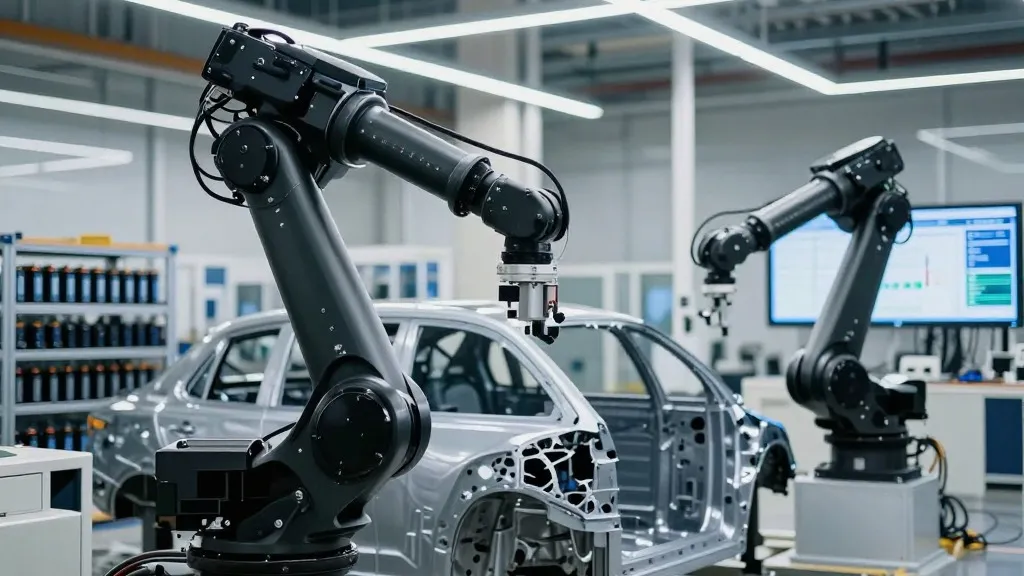
The primary driver of the reduced operating income, which fell 56% year-over-year to $718 million, is a surge in operating expenses. These costs rose 39% to $4.78 billion, fueled largely by a 69% jump in research and development spending to $2.76 billion. Tesla is directing these funds toward its “Super Intelligence” initiatives, the Cybercab, and the Optimus project. Additionally, capital expenditures reached $4.73 billion, more than double the amount spent a year prior. This heavy investment pace means the company has spent approximately $13 billion in the first nine months of 2026, less than half of its annual guidance, raising questions about whether the remaining spending will be concentrated in the final quarter or deferred to the following year.
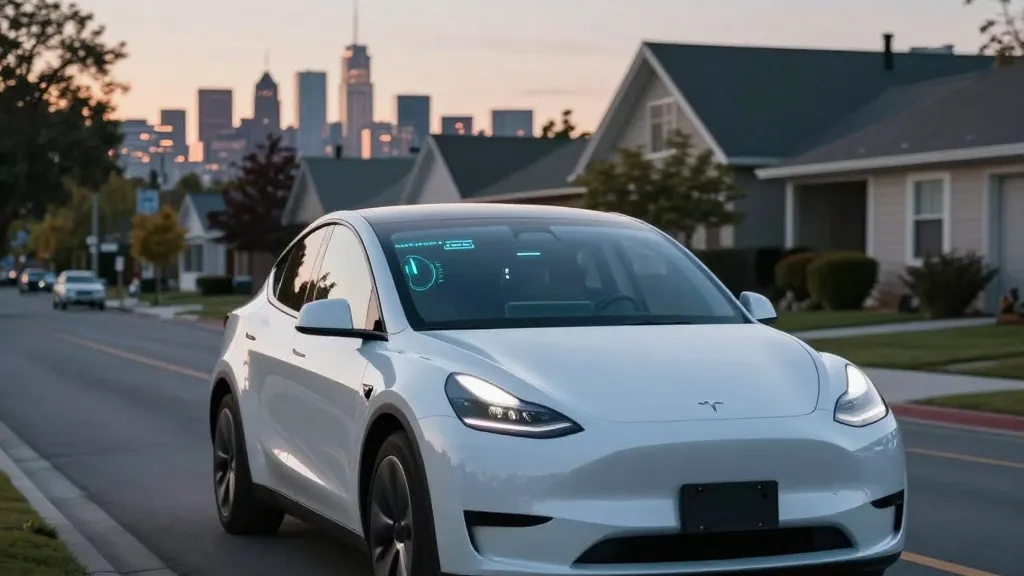
On the operational front, Tesla attributes its flat vehicle deliveries of 486,532 units to battery availability rather than a lack of consumer interest. The company claims to hold its largest backlog of passenger vehicles in four years, suggesting that supply constraints, not demand, are limiting growth. However, this narrative is complicated by falling average selling prices and a 48% drop in deliveries of its “other” models, including the Cybertruck and Model S. Meanwhile, the energy business saw a 16% revenue decline due to tariff-related refunds, even as deployment volumes increased, highlighting a margin squeeze in that segment.
Looking ahead, the company faces the challenge of converting its heavy spending into visible returns. Management will discuss these results on a conference call later today. The immediate question for investors is whether the current investment in autonomy and robotics will yield the projected growth, or if the prolonged period of depressed operating margins will erode confidence in the company’s valuation. With free cash flow positive at $1.53 billion, Tesla retains the financial flexibility to continue its aggressive expansion, but the window for executing this strategy without impacting the bottom line may be narrowing.
Source: Electrek