22 launches needed for lunar mission
A new safety panel estimate suggests the Artemis program requires far more orbital refueling flights than previously hoped.
By Rahul Mehta ·
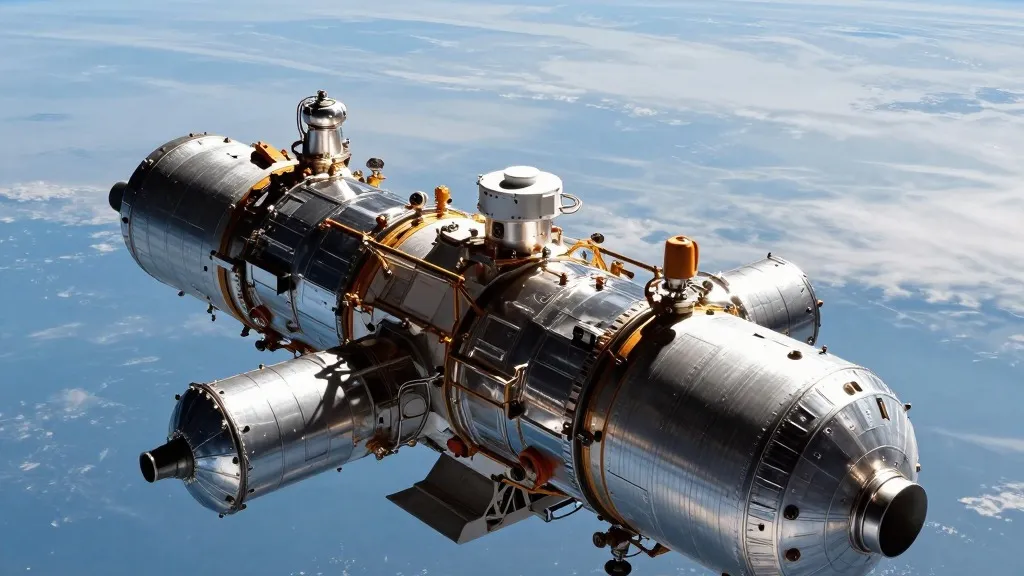
Twenty-two. That is the new, striking figure emerging from recent NASA safety discussions regarding the logistical requirements for the Artemis program. This number represents the estimated count of Starship launches necessary to fully fuel a lunar lander in low-Earth orbit, enabling it to travel to the Moon, land, and return safely to lunar orbit. It is a significant benchmark for a mission that has long been shrouded in logistical opacity.
For years, this specific metric has been a closely guarded secret within the agency. NASA officials have historically treated the count of required launches with a level of caution reminiscent of nuclear security protocols. The hesitation stems from the complexity of orbital refueling, a process that involves docking multiple vehicles to transfer liquid oxygen and methane propellant. Because the exact efficiency of these transfers can vary, the agency has preferred to avoid pinning down a hard number until the technology is proven in practice.
The trajectory of this estimate has shifted considerably over the past few years. In 2023, Lisa Watson-Morgan, who served as the director of NASA’s Human Landing System at the time, expressed reluctance to provide a precise figure to reporters. She noted that while the agency had a general understanding, she was hesitant to state the exact number publicly. When pressed for a range, she suggested the requirement fell between the high single digits and the low double digits. That earlier estimate implied roughly a dozen launches, a substantial but manageable number for a high-cadacity rocket program.
Subsequent communications from other officials have occasionally pushed that range higher, with some citing figures in the high teens. The underlying hope for NASA and its partners has always been that SpaceX would rapidly increase the lift capacity of its Starship vehicle. By boosting the amount of propellant each tanker flight could carry, the total number of required launches would decrease, streamlining the entire operation and reducing the time spent in orbit waiting for refueling.
However, concerns are now growing among certain NASA officials that this dramatic improvement in lift capacity may not arrive soon enough. The worry is that if the vehicle’s capacity does not scale up quickly, Starship may not play a meaningful role in returning humans to the Moon within the current decade. This timeline pressure adds significant weight to the recent safety discussions, as the window for the Artemis goals narrows.
The new estimate of 22 launches surfaced during the quarterly meeting of the NASA Aerospace Safety Advisory Panel held on Thursday. The panel, which serves as an independent oversight body, focuses on identifying and mitigating risks across various aerospace initiatives. The discussion highlighted the specific challenges associated with the Artemis program’s human landing system, emphasizing the need for transparent risk assessment.
Charlie Precourt, a panel member and former NASA astronaut, spoke during the session about the risks tied to landing humans on the Moon. His commentary underscored the importance of understanding the logistical demands of the mission. As the program moves closer to critical milestones, the clarity of these operational numbers becomes increasingly vital for planning and execution.
The stakes of this logistical puzzle are high. A higher number of required launches means more time in orbit, more opportunities for technical failure, and greater complexity in mission coordination. For readers in the Southwest, where much of the nation's aerospace development takes place, this metric represents a tangible measure of progress toward one of the most ambitious spaceflight goals of the modern era.
Source: Ars Technica